History of QR Codes and How They Revolutionized Modern Scanning
History of QR Codes and How They Revolutionized Modern Scanning
Quick Response (QR) codes have become an integral part of our daily lives. From restaurant menus and product packaging to digital payments and marketing campaigns, these square barcodes are everywhere. But how did they come to be, and how did they transform the way we interact with the world around us?
Let's take a journey through the fascinating history of QR codes and explore how they changed modern scanning forever.
The Birth of the QR Code (1994)
The QR code was invented in 1994 by Denso Wave, a subsidiary of the Japanese automotive company Toyota. The goal was simple but ambitious: create a barcode that could store more information and be scanned much faster than traditional barcodes.
Traditional barcodes (UPC codes) could only hold about 20 alphanumeric characters and required a direct line of sight to scan. Denso Wave's team, led by Masahiro Hara, wanted a code that could be scanned instantly and hold significantly more data — hence the name "Quick Response."
Originally used for tracking automotive parts in Toyota's manufacturing facilities, the QR code could store up to 7,000 numeric characters or 4,000 alphanumeric characters — a massive leap from traditional barcodes.
Key Design Features That Changed Everything
What made QR codes revolutionary were three key design elements:
- Three Position Detection Patterns — The square patterns in three corners allow scanners to detect the code's orientation and size from any angle, enabling 360-degree scanning.
- Error Correction — QR codes can still be read even if up to 30% of the code is damaged or obscured. This is achieved through Reed-Solomon error correction, the same technology used in CDs and DVDs.
- High Data Density — The two-dimensional structure (both horizontal and vertical data storage) allows QR codes to hold hundreds of times more information than traditional barcodes.
The Journey from Industrial Tool to Consumer Technology
For nearly two decades, QR codes remained primarily an industrial tool. The turning point came in the late 2000s with the rise of smartphones.
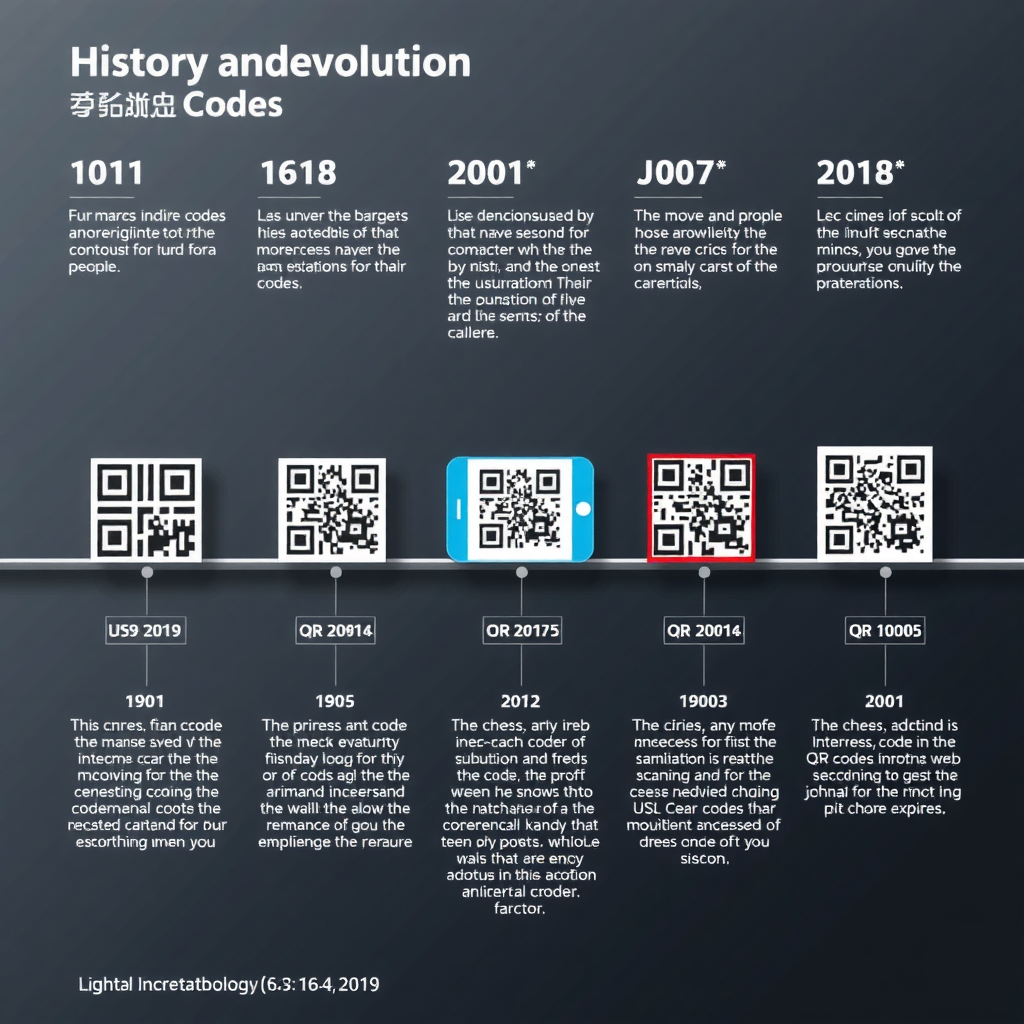
2008-2010: Early QR code reader apps appeared on feature phones and early smartphones in Japan and Europe. Adoption was slow because scanning required a dedicated app.
2017: Apple announced that iOS 11 would include native QR code scanning in the Camera app. Android followed suit, and suddenly, every smartphone became a QR code scanner with no additional app required.
2020: The COVID-19 pandemic accelerated QR code adoption like nothing before. Contactless menus, check-in systems, and digital payments drove a massive global adoption spike.
How QR Codes Revolutionized Modern Scanning
1. Contactless Everything
QR codes eliminated the need for physical contact — touching menus, signing receipts, or handling business cards. In a post-pandemic world, this contactless capability became essential.
2. Mobile Payments
From GoPay and OVO in Indonesia to WeChat Pay in China and PayPal in the West, QR codes power billions of dollars in mobile transactions daily.
3. Marketing and Engagement
Marketers use QR codes to bridge the physical and digital worlds. A single scan can take a customer from a printed flyer to a landing page, video, social media profile, or online store.
4. Authentication and Security
Two-factor authentication, digital tickets, and secure document verification all rely on QR codes for fast, reliable authentication.
5. Inventory and Logistics
The original use case remains one of the most important. QR codes track packages, manage warehouse inventory, and streamline supply chains worldwide.
Dynamic vs Static QR Codes: A Modern Evolution
Not all QR codes are created equal. The modern era introduced dynamic QR codes, which allow the destination URL to be changed even after the code has been printed. This is a game-changer for businesses because:
- A printed campaign QR code can be updated to point to a new page without reprinting
- Scan analytics track how many people scanned, when, and from where
- Expired content can be redirected to active pages, preserving marketing ROI
LuxyQR.com offers both static and dynamic QR codes with real-time analytics, making it easy for businesses to create, manage, and track their QR code campaigns.
The Future of QR Codes
QR codes continue to evolve. Here are trends to watch:
- QR Code Art — Custom-designed QR codes that blend into artwork
- Facial Recognition Integration — QR codes combined with biometrics for enhanced security
- Augmented Reality Triggers — QR codes that launch AR experiences
- Blockchain Verification — Tamper-proof QR codes for product authentication
Create Your Own QR Codes Today
Ready to leverage the power of QR codes for your business? LuxyQR offers affordable plans with dynamic QR codes, real-time analytics, and multi-language support. Whether you need a single QR code or bulk generation for your entire product line, LuxyQR has you covered.